A company based in Terrebonne, Quebec, Canada. Growing since 2007!

For nearly 20 years, we have supported businesses throughout their commercial signage process. We have developed and designed more than 25,467 projects.
10 Keys to Organize a Successful Outdoor Business Event
Table of contents
- 1: Preparation: Define the Project and Create a Timeline
- 2: Assemble a Trustworthy Team
- 3: Have Effective Communication and Promotion Plans
- 4: Stay Informed and Up to Date with Authorizations
- 5: Know Your Responsibilities and Duties
- 6: Be Impeccable in Building Codes and Safety Laws
- 7: Anticipate Temperature Changes
- 8: Food: Vary the Offering and Anticipate Restocking
- 9: Be Prepared for Bad Weather
- 10: Assessing After the Event

Outdoor events are abundant in Quebec during the summer season: cultural events or trade fairs, Quebecers know how to make the most of these few months of good weather. Such events often attract a large public and require extensive preparation.
Beyond weather uncertainties, there are many factors that can compromise the success of such an event. You must be prepared for all possible scenarios and, above all, be well-versed in the laws.
It’s a bit like creating a temporary mini-city; it’s a large-scale project management: you need to think of everything!
We help you make your event a successful edition thanks to these 10 keys to well-organized planning.
1: Preparation: Define the Project and Create a Timeline
The worst nightmare for an event organizer is running out of time: not being ready on the big day. To avoid this, start early: a year is the minimum.
- Define the nature of the event: If it’s the first edition, start by asking yourself a series of questions to define the nature of your event. How many visitors are expected? How many exhibitors? What duration? Where? Conduct a market study to ensure such an event doesn’t already exist. You need to fill a specific demand.
- Find the location and date: The location of an event is crucial. Check with the localities, there are often spots dedicated to occasional events. A good location should consider:
– Access points to water and electricity
– A large surface area (preferably flat)
– Vehicle accessibility and/or parking and public transportation
The date is also crucial, depending on the location’s availability but it must follow the logic of the represented industry. (You wouldn’t host a Christmas craft fair in May)
- Create a budget and find funding: The budget is often where things go awry. Ensure you have enough resources to organize such an event. Prepare for the unexpected, calculate, recalculate the organization and execution costs several times. There are always surprises. Depending on your event, some sponsors or public or private agencies might assist in fundraising.
- Create the schedule: With these elements in hand, you will need to create a timeline. Build a team: delegate tasks and create several committees (communication, construction, sales, etc.)
Establish a provisional calendar starting from the event date: It’s the backward planning technique. This method helps define tasks, distribute them, draw a timeline, and set deadlines for project progress.

2: Assemble a Trustworthy Team
You can’t organize such an event alone, you need a team. It is essential to divide tasks and use the right resources in the right place. Building a good team is the foundation of any event organization. A successful event = great teamwork!
Just like in a company, you need to define project leaders in each category to effectively delegate work loads.
- Communication and media
- Technical support
- Legal department
- Human resources management
- Security manager
- Etc…
Coordinating such teams requires management skills. You must listen to everyone’s needs while sticking to the schedule and budget.
3: Have Effective Communication and Promotion Plans
Just like indoor events or trade fairs, outdoor events need a solid communication and promotion plan. The event must generate buzz and see good attendance for success and further editions.
If you executed the previous step well, you have a communication team assigned to this task.
They should ensure:
- Adapting communication to the targeted audience.
- Inviting recognized brands or personalities
- Perfecting the event theme
- Conducting promotional campaigns at the right time
- Being invited by various media
- Being present on social media
Remember, if it’s a first edition, your event will benefit from the curiosity and novelty effect’s exposure.
Make it a success to ensure future years!
4: Stay Informed and Up to Date with Authorizations
A large part of preparing an outdoor business event is administrative: it’s the key step of obtaining permits. This is a very important step that must be done with the utmost attention. Several government laws and municipal regulations govern the various aspects related to hosting events on public spaces.
Contact the administrative unit responsible for permits and ensure you fill out the correct forms. In fact, permits vary depending on the nature and importance of the upcoming event. There are specific permits for retail, food sales, non-profits, sound broadcasts, etc.
Additionally, each locality has specific standards.
For example, in Quebec City, permits are different depending on whether it’s a local event or a large event:
Local event:
An activity aiming to animate a neighborhood. The activity must primarily take place in an outdoor location accessible to the public, with no entrance fees, non-profit or commercial purposes.
Large outdoor event:
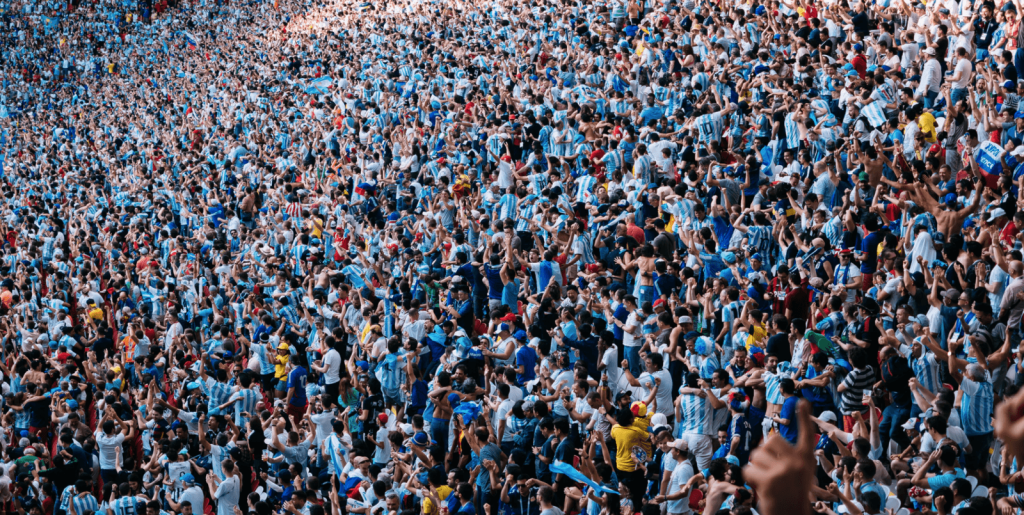
A large event is an activity, show, festival, or a set of animations revolving around a central theme, presenting a program, having a limited duration, with great attraction capacity and whose media, tourism, economic or social outreach extends beyond the City.
Examples from Quebec City documentation, note that each locality is different.
Holding events in Montreal on public property, for example, requires submitting a request at least 90 days before its completion.
Obviously, each municipality, locality, and borough operates differently: make sure to apply with the right agencies and complete the correct forms.
A bureaucratic error can lead to event cancellation.
Note that the dossier opening rates increase depending on the submission date.
In Montreal, for example, the opening fee doubles if you start a month before instead of three months prior.
Another reason to follow the calendar and stay up to date!
5: Know Your Responsibilities and Duties
As the main organizer, you must know the extent of your responsibility for such an event. The event promoter is responsible for the safety of visitors and exhibitors.
You must meet the requirements of municipal services and public organizations whose role is to supervise events in a safe environment.
The promoter remains, at all times, the sole responsible party for their event and everything that follows from it.
Respecting Deadlines
You must respect the deadlines set by property owners and/or those imposed by the city. Respecting deadlines is an important point in organizing such an event as permits depend on it.
Civil Liability Insurance
The organizer must also have civil liability insurance at least a few weeks before the event date.
The minimum coverage required for outdoor events is variable, depending on the risk factor of the event, often amounting to millions of dollars.
Respecting Labour Codes for Employees
The organizer, like in a company, must follow the same rules dictated by the labour code. The ephemeral nature of the event does not exempt organizers from respecting the law.
6: Be Impeccable in Building Codes and Safety Laws
Organizing such an event often involves creating a temporary mini-city. As in any project welcoming the public, the organizer must comply with building standards.
Quebec’s building and safety codes apply to outdoor commercial or cultural events. They are there to ensure the safety of visitors and staff.
Tents and Canopies
Tents and canopies are subject to construction code requirements. Specifically regarding:
- Structure installation
- Durability
- Spacing between tents
- Fire spread prevention
- Maximum occupancy
Gas Supply
Outdoor events often require natural gas and propane installations. Check what standards apply to:
- Cooking appliances
- Supplementary heaters
- Piping and storage
Electrical Supply
Electric installations must also be compliant with applicable standards, regardless of the event’s duration.
Since electrical installations are outdoors, they must have additional protections.
For instance, cables must be buried in a trench or covered with protection to reduce the risks of damage inherent in public contact.
For temporary structure, gas or electricity installations, you must hire alicensed contractor, who will be held accountable if the installations lack safety.
7: Anticipate Temperature Changes
Outdoor fair suggests summer, but not necessarily! In Quebec, we are known for braving extreme winter temperatures, and some outdoor events take place in sub-zero conditions. Our climate is known for its largest temperature variations within a year: you must be ready.
In summer, be mindful of heat waves: plan for water, misters, shade
Whether for a business, sport, or cultural event, you should plan water points. Quebec summers are increasingly hot.
A good solution is to partner or sponsor with a mineral water brand or rehydration drinks.
These brands often seek busy places to distribute their products to people and thus promote them, especially for sports or cultural events.
Misters are always welcome, as well as shaded shelters.
In winter, plan for warm spots
Hosting your event in fall or winter? Don’t forget additional heaters, brazier pits, and shelters for visitors to warm up.
Remember, not any gas or coal heating appliance can be installed anywhere; once again, refer to the building code.
8: Food: Vary the Offering and Anticipate Restocking
Anticipating attendance at outdoor trade fairs or events is quite simple: indeed, this kind of event often requires a ticket. Unless there are major unexpected issues, you can approximately predict event attendance. Ensure you have sufficient resources and variety in terms of food.
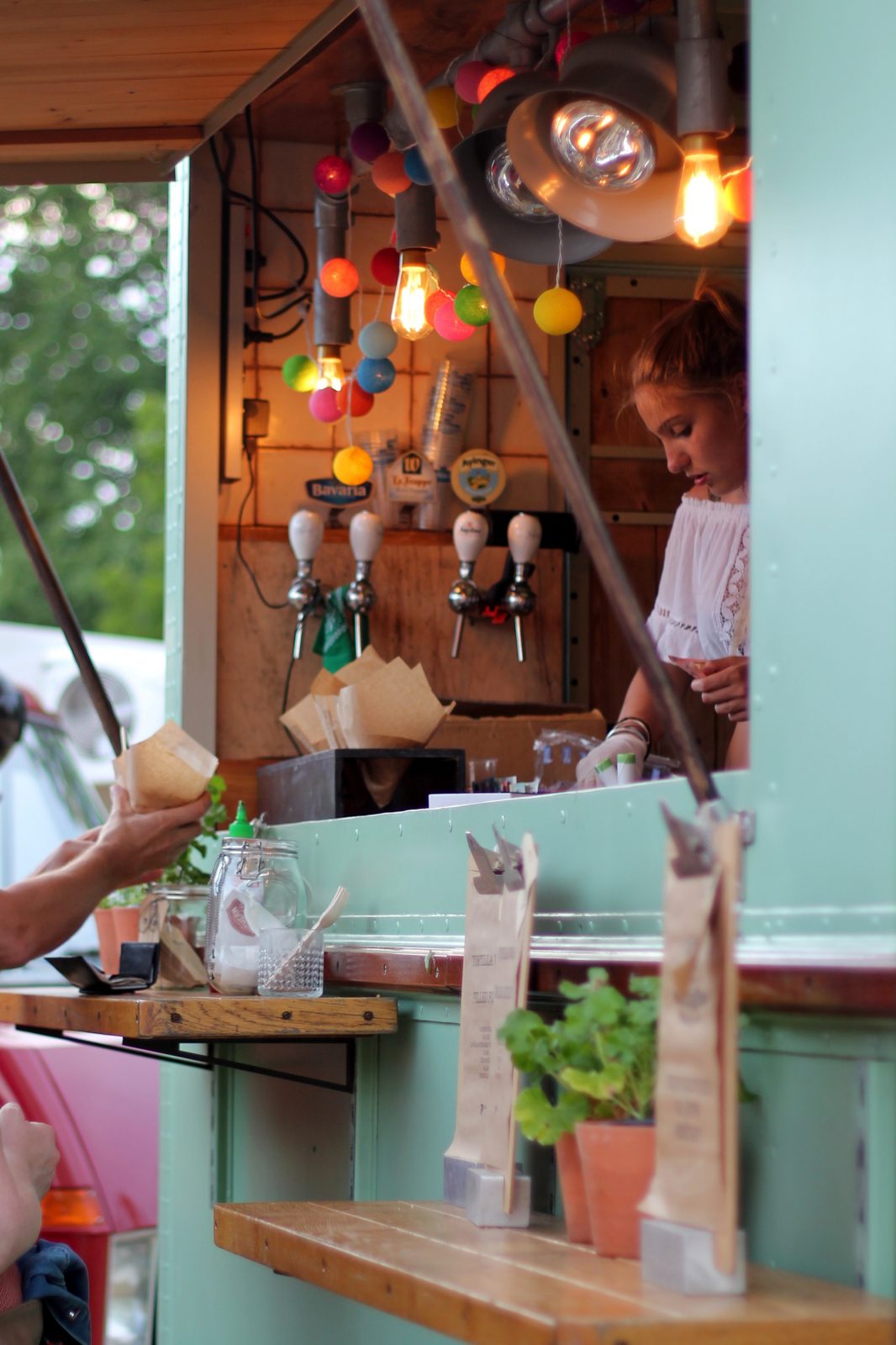
Set up a “Food Truck” Area
Event catering offers have diversified considerably over recent years with the arrival of food trucks and other mobile restaurants. While mobile catering used to be mainly patisseries, nowadays, there are various dining solutions for every taste!
Hire Catering Services
Don’t forget your staff and guests. Plan a catering service to meet your team’s needs. Many caterers are equipped for events, especially those regularly working on film sets.
Plan a Lunch Area
If your event is family-oriented, it’s important to arrange a lunch area, picnic areas, a breastfeeding room, changing area, etc. It’s always appreciated by families.
9: Be Prepared for Bad Weather
The greatest fear for an outdoor event organizer is undoubtedly the weather. Fortunately, many installation solutions exist today to anticipate (almost) all eventualities.
It’s the variable no one can forecast. Dates are set months prior; if there’s a storm that day, it must have been anticipated. Here are some tips to shelter visitors:
- Plan a main gathering tent in case of heavy rain.
- Recommend quality stands to participants
- Tent materials should be waterproof
- Don’t forget ground cover inside outdoor tents: having your head dry and feet wet isn’t ideal.
In case of extreme weather or public disorder, localities can cancel the event.
10: Assessing After the Event
Once the event is over, it is essential to evaluate it. Analyze numbers and responses to your surveys, note the elements that made it a success or failure. For sure, if it’s the first edition, there will be improvements to make. The lifespan of such events depends on the organizers’ ability to react and adapt.
Unfortunately, too often events start, see brief success for a few years, and disappear as quickly as they appeared. Victims of fashion trends, these events didn’t know how to adjust their offer over time.
- After the event, conduct visitor surveys
- Draft recommendations for the following year
- Try to foresee growth and evolve accordingly
Some events were victims of their success. Montebello’s Rockfest, for example, had a challenging year in 2013. The unexpected increase in attendance caused several logistical problems. Organizers had to react and find solutions for other editions.
You are now ready to launch your outdoor event! Don’t forget to thoroughly research with localities, form a winning team, and be well-equipped against bad weather.
Your turn to play!